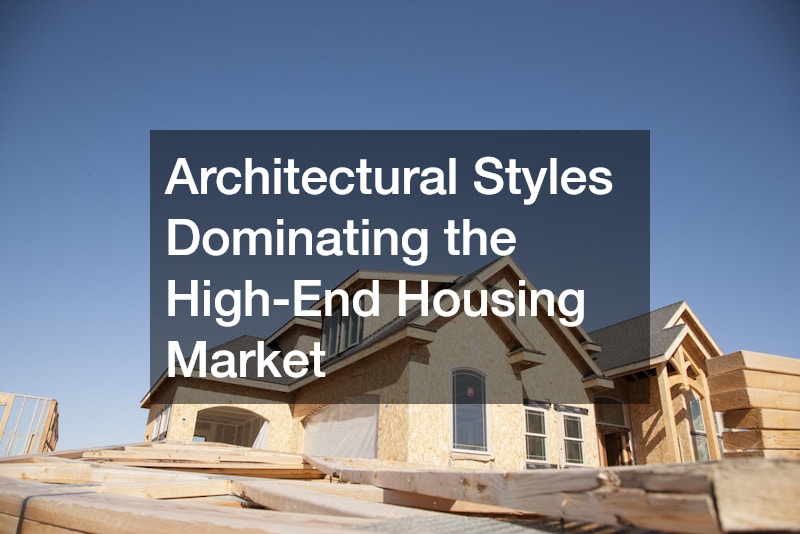
The architectural landscape of affluent residential neighborhoods is undergoing a rapid transformation. Today, prospective homeowners are moving away from the ostentatious mansions of previous decades, instead favoring bespoke residences that prioritize meticulous craftsmanship, thoughtful environmental integration, and sophisticated restraint. Individuals commissioning these extensive projects rely heavily on luxury custom home builders to translate their specific visions into tangible reality. As preferences shift toward a blend of functional efficiency and breathtaking aesthetics, several distinct styles have emerged as frontrunners in the housing market.
Understanding the core tenets of these dominant architectural styles helps clients articulate their preferences and lay a solid foundation for a successful partnership with their designated design and construction teams.
Organic Modernism and the Connection to Nature
One of the most prominent architectural styles currently dominating the residential market is organic modernism. This approach seamlessly integrates the built environment with the natural landscape, blurring the boundaries between indoor and outdoor spaces. Defining characteristics include sweeping floor-to-ceiling glass walls, low-pitched rooflines, and an emphasis on natural materials such as unpolished stone, rich timber, and patinated metals. To achieve this aesthetic, luxury custom home builders must employ advanced engineering techniques that support massive expanses of heavy glass without compromising structural integrity or thermal efficiency. The interiors frequently feature sprawling open floor plans that allow natural daylight to penetrate deep into the residence, creating a highly coveted wellness-centric atmosphere for buyers seeking a tranquil retreat.
Transitional Architecture as the Perfect Compromise
For clients who appreciate contemporary design but still yearn for the warmth of traditional aesthetics, transitional architecture serves as the ideal solution. This highly adaptable style beautifully bridges the gap between historical precedent and modern innovation. A transitional residence might feature the dramatic gables of a classic Tudor, but executed with simplified exterior detailing, oversized contemporary steel windows, and a monochromatic palette. This unique style requires a delicate balancing act, and experienced luxury custom home builders are essential to ensure the final architectural product does not feel disjointed. By carefully curating exterior finishes and maintaining strict proportional harmony, construction teams create homes that feel timeless yet refreshingly current. The resulting properties offer an understated elegance that fits perfectly into established upscale neighborhoods while satisfying the modern desire for unencumbered living spaces.
The Resurgence of Modern European Estates
While modernism holds significant sway, there is a robust demand for the timeless appeal of European-inspired architecture delivered with a contemporary update. Modern French Chateaus, Mediterranean Villas, and English Manors are being thoughtfully reimagined for the modern affluent lifestyle. Unlike historical counterparts constructed with dark, compartmentalized interiors, these new iterations maintain the symmetrical, imposing facades of classical architecture while thoroughly modernizing the interior layout. To execute these massive projects successfully, luxury custom home builders must source authentic materials, such as imported limestone, reclaimed terracotta roof tiles, and custom-forged ironwork. The exterior masonry requires specialized artisans who deeply understand historical construction methods. Inside, floor plans are entirely opened to accommodate chef-caliber kitchens and expansive great rooms, providing the grandeur of old-world Europe alongside the functional demands of contemporary family life.
Ultra-Modern Minimalism and Structural Innovation
At the opposite end of the spectrum from traditional European styles is the striking, undeniable presence of ultra-modern minimalism. This architectural style is characterized by asymmetrical geometric shapes, dramatic cantilevered structural elements, and a complete lack of traditional ornamentation. The focus remains entirely on proportion, light, and the honest visual expression of industrial materials like poured concrete, structural steel, and glass. Constructing these particular residences leaves absolutely no room for error. Because there is no decorative trim to hide foundational imperfections, luxury custom home builders must execute every structural joint and corner with exacting mathematical precision. The minimalistic approach also incorporates cutting-edge sustainable technologies and smart home automation systems seamlessly hidden within the architecture itself. These homes ultimately serve as livable sculptures, appealing to purists who view their primary residence as an expression of avant-garde aesthetics.
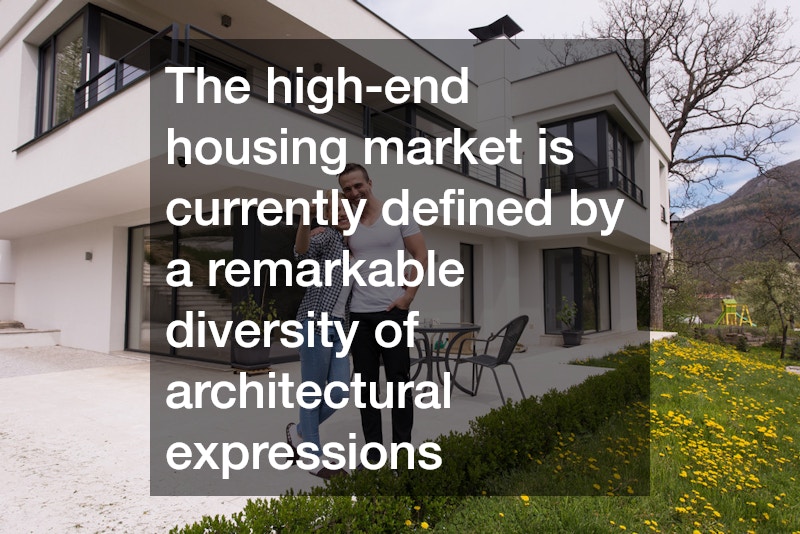
The high-end housing market is currently defined by a remarkable diversity of architectural expressions, ranging from the natural harmony of organic modernism to the precision of ultra-modern minimalism. Whether a client desires a transitional estate that bridges two distinct eras or a modernized European manor, the ultimate success of the project invariably hinges on the execution. Navigating the complex structural engineering, global material sourcing, and specialized artisan labor required for these homes demands exceptional professional management. Consequently, the role of elite luxury custom home builders has never been more critical. By mastering these dominating architectural styles and adapting to shifting preferences, construction professionals ensure they consistently meet the exacting standards of their sophisticated clientele.